


Taking the Time for You.

Jensen Beach occupies a narrow stretch of Martin County coastline between the Atlantic Ocean and the Indian River Lagoon, and that geography has everything to do with how its homes age and how hard its AC systems work. The salt air moving in off the water from both sides of the barrier island creates a corrosive environment that accelerates wear on outdoor HVAC equipment in ways that inland communities simply do not see at the same rate. Couple that with the year-round humidity and the long cooling season, and you have conditions that test even well-maintained systems. Bates Air and Heat is a veteran-owned HVAC company serving Jensen Beach and the surrounding Martin County area. We understand the specific demands this environment places on residential AC systems, and we bring that knowledge to every service call. Our approach is simple: find the real problem, explain it clearly, and fix it in a way that stands up to the conditions your system operates in every day.
We provide full residential AC repair services throughout Jensen Beach, covering everything from refrigerant leak detection and recharge to capacitor and contactor replacement, evaporator and condenser coil cleaning, condensate drain service, blower motor repair, and thermostat diagnostics. Jensen Beach homes range from waterfront properties with high-end systems to more modest inland residences with older equipment, and our technicians are equipped to handle the full spectrum. One thing we see consistently in coastal communities like Jensen Beach is that the visible symptom of an AC problem and the underlying cause are often not the same thing. Salt air corrosion may look like a refrigerant issue. A failing contactor can mimic a thermostat problem. We do not assume. We diagnose, verify, and then repair so you are not paying to fix the wrong thing.
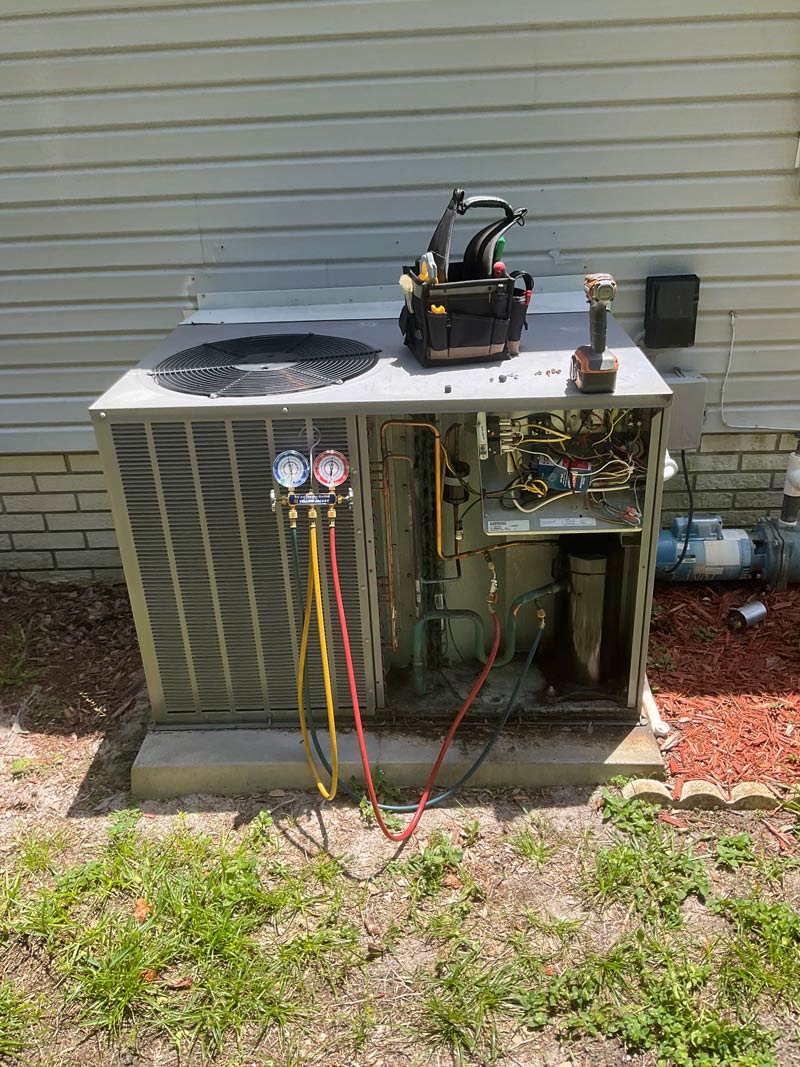
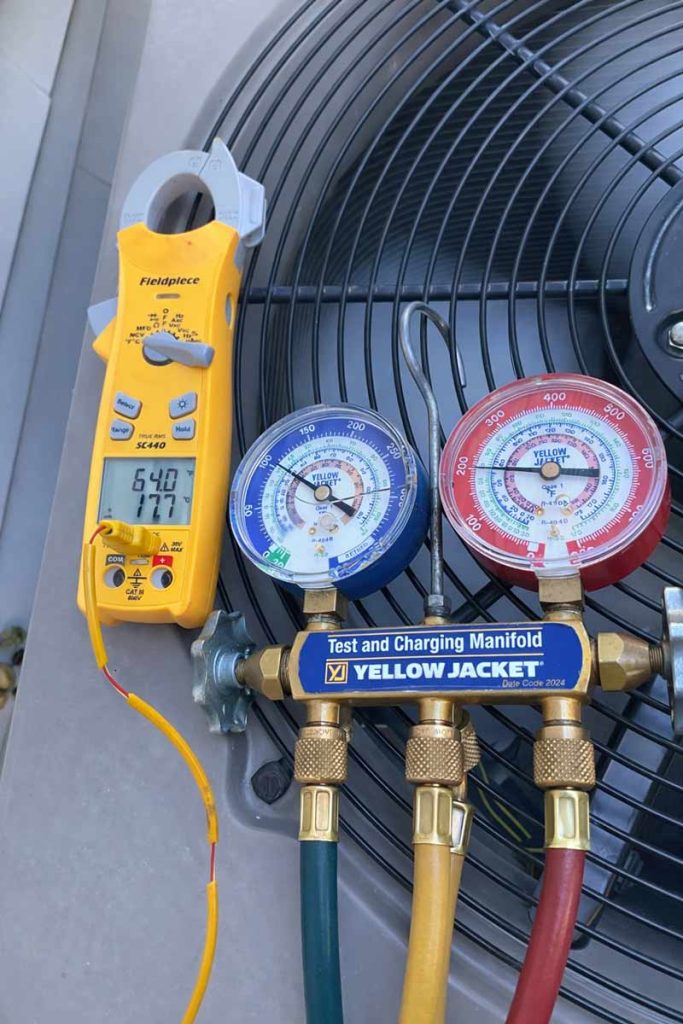
Jensen Beach homeowners have to contend with one of the more demanding HVAC environments on Florida’s east coast. The combination of ocean-side salt exposure, lagoon-side humidity, and the kind of summer heat that keeps systems running for months on end means that warning signs can develop quickly and escalate faster than they would in a less demanding climate. These are the signals worth taking seriously.
In a coastal environment like Jensen Beach, small warning signs tend to move toward bigger problems faster than in other areas. Calling sooner rather than later usually keeps the repair simpler and the cost lower.
Every HVAC technician working on the Treasure Coast knows that a unit sitting a quarter mile from saltwater ages differently than one sitting five miles inland. In Jensen Beach, where many homes are within direct reach of ocean breezes off the Atlantic and lagoon air from the west, that accelerated aging is a real factor in how often systems need attention and what kind of repairs they require.
Understanding how Jensen Beach’s coastal position accelerates specific failure modes is what separates a technician who fixes the symptom from one who addresses the actual cause.

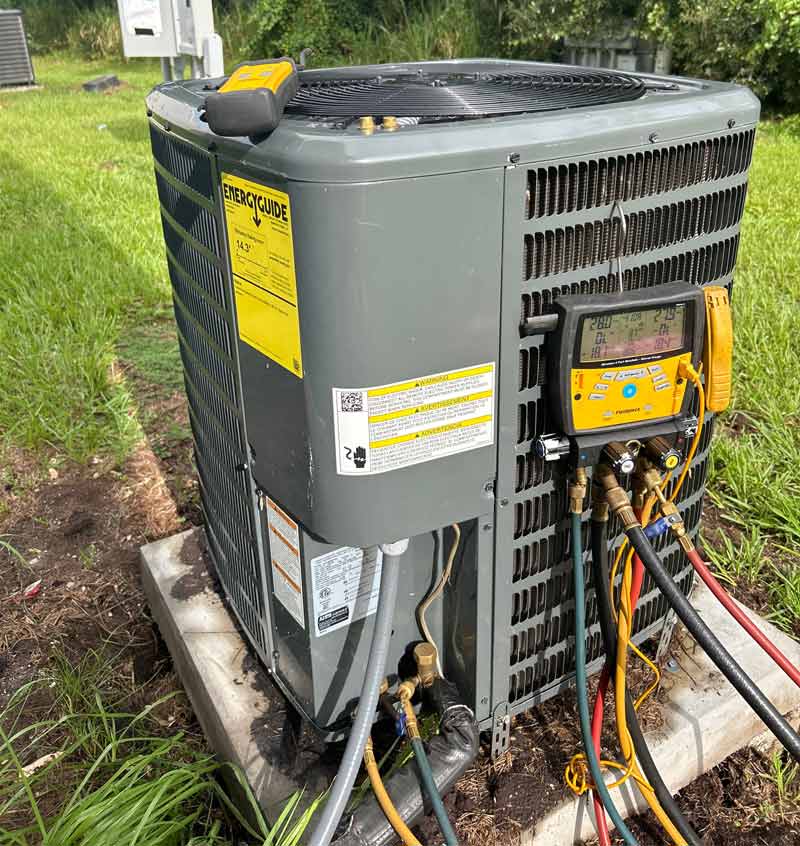
Phil called us in early September after noticing his outdoor unit had started making a new noise during the hottest part of the afternoon. It had not stopped cooling yet, but something sounded off and he wanted it checked before the long weekend ahead. His home sat about three blocks from the beach, and when our technician inspected the condenser unit the corrosion on the coil fins and the contactor surface was more advanced than the system’s age would normally suggest. The noise was coming from a fan motor bearing that was dry and beginning to fail. The contactor was also showing significant pitting from salt exposure and was close to the end of its reliable service life. We replaced the contactor and the fan motor, applied a protective coil coating to slow further corrosion, and checked the refrigerant charge while we were at it. Phil appreciated that we caught the contactor issue before it failed on its own, which in a coastal unit often means the compressor tries to start without proper switching and takes damage in the process. He kept his weekend plans and his cooling. That is the kind of call we would rather make than an emergency one the following Monday.
Martin County homeowners tend to be discerning about who they let work on their homes, and for good reason. Jensen Beach is a community where quality of life matters and where people expect the professionals they hire to show up prepared, work carefully, and be straight with them about what they find. That is the standard Bates Air and Heat holds itself to on every single call.
As a veteran-owned business, we take pride in the work we do and the relationships we build with the homeowners we serve. Jensen Beach deserves that level of service, and that is what we bring every time.

Homes within a mile or two of the ocean or the Indian River Lagoon can see coil and electrical component corrosion develop significantly faster than properties farther inland. The rate depends on how directly ocean breezes reach the outdoor unit and how much protective maintenance has been done over the years. Regular coil cleaning and applying a protective coatings during maintenance visits can slow the process considerably.
The contactor is an electrical switch inside your outdoor condenser unit that controls when the compressor and fan motor receive power. Salt air causes the contact surfaces to pit and corrode over time, which makes the switch less reliable and eventually causes it to stick open or fail to close properly. In Jensen Beach’s environment, contactors often need replacement sooner than the industry average, which is why we check them at every service visit.
Yes. Keeping the unit clean and free of debris is a good start. Having a technician apply a protective coil coating during maintenance visits creates a barrier that slows corrosion on the fins and copper tubing. Rinsing the outdoor unit periodically with fresh water can also help remove salt deposits before they work their way into the coil. None of these eliminate the effects of coastal exposure, but they extend the time between significant corrosion-related repairs.
In a saltwater environment like Jensen Beach, a seven-year-old system that has not had regular maintenance can show wear patterns closer to what you would expect in a ten or twelve-year-old unit farther inland. Coastal conditions accelerate corrosion on coils and electrical components in ways that shorten the effective service life of equipment that has not been protected. Consistent maintenance from early in a system’s life makes a real difference in how long it holds up.
It depends on the extent of the corrosion and the age of the overall system. Surface corrosion on the fins that has not yet compromised the copper tubing underneath can sometimes be managed with cleaning and protective treatment. If the corrosion has reached the point of refrigerant leaks through the coil itself, repair or replacement of the coil or the entire outdoor unit becomes the more practical conversation. We will give you an honest assessment of where your unit stands and what options make the most sense for your situation.